
How Partnerships Power Strategic Giving

Retirement accounts can do so much more than provide income down the road. Think of them as a helpful planning tool, a way to be smart about taxes, and, with the right guidance, a meaningful path to supporting a cause you truly care about.
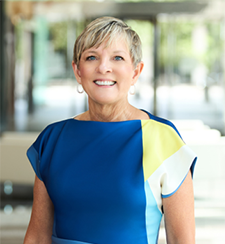
For Heritage Wealth Advisors CEO Dee Ann Remo, CPA, CFP®, PFS and Partner, Managing Director of Client Experience Sarah Simmer, CPA, CFP®, CAP®, creating lasting relationships built on earned trust are at the core of what makes their business successful. They discussed how they help individuals, families and philanthropic households make more informed decisions about taxes, giving and estate planning.
“In my board service, I’m hearing directly from nonprofit leaders who are feeling real pressure right now: rising costs, shifting funding and greater demand for services,” Remo said. “It reinforces for me, both personally and in how I work with clients, that philanthropy must be more intentional than ever. For my own giving and for the families we advise, it’s about staying committed, asking sharper questions and focusing on where our dollars can have the most measurable, meaningful impact in a challenging environment.”
Putting the asset pieces in the right spots is how trusted advisors can turn the process from daunting into doable, developing a coordinated plan involving tax, investment, estate and charitable advisors.
“An optimal advisor-client relationship around charitable giving is grounded in alignment between a client’s values, financial complexity and long-term legacy goals,” Simmer said. “At our best, we act not just as technical experts but as strategic partners, helping clients define the impact they want their wealth to have.
“That begins with meaningful conversations about philanthropic intent, family dynamics and the role giving should play into a family’s legacy. For many families, charitable giving is not purely transactional; it is emotional, generational and values-driven. And because philanthropic priorities often evolve over time, especially as the next generation becomes more engaged, we revisit these conversations regularly to help families create lasting and meaningful impact.”
Simmer said that can include integrating philanthropy into the broader wealth strategy through approaches such as gifting appreciated assets, leveraging donor-advised funds or private foundations, and coordinating charitable objectives alongside estate and tax planning.
“The strongest outcomes come through close collaboration with estate attorneys, tax professionals and philanthropic partners.”
Advisors also understand these are not one-size-fits-all decisions and can depend on timing, income, asset mix, family goals and charitable priorities.
“At Heritage, we have found that investment management, tax strategy, financial planning, and estate planning cannot be separated without losing effectiveness,” Remo said. “Each decision a family makes — how assets are invested, how income is recognized, how wealth is structured and ultimately transferred — has ripple effects across every other area.
“For high-net-worth families, this interconnection creates both complexity and opportunity. Our approach is to view a family’s financial life as a single, integrated system. We bring together specialists across investments, tax, estate planning and philanthropy to ensure decisions are coordinated and aligned with a client’s broader goals and values.
“That level of coordination is more labor-intensive, but it leads to better outcomes, stronger after-tax results, greater clarity and a plan that evolves thoughtfully over time. Ultimately, it allows clients to use their resources more intentionally, supporting both their families and the impact they hope to make.”
Related Content


Support relief efforts for Los Angeles wildfires
Raging wildfires in Los Angeles County, California, have caused fatalities and injuries and displaced tens of thousands. The crisis has touched every corner of the Los Angeles region. Recovery from natural disasters span years, leaving communities grappling with impacts long after media attention and initial donations fade. Here are several organizations and localized community foundations who are accepting emergency relief donations to help those in need.
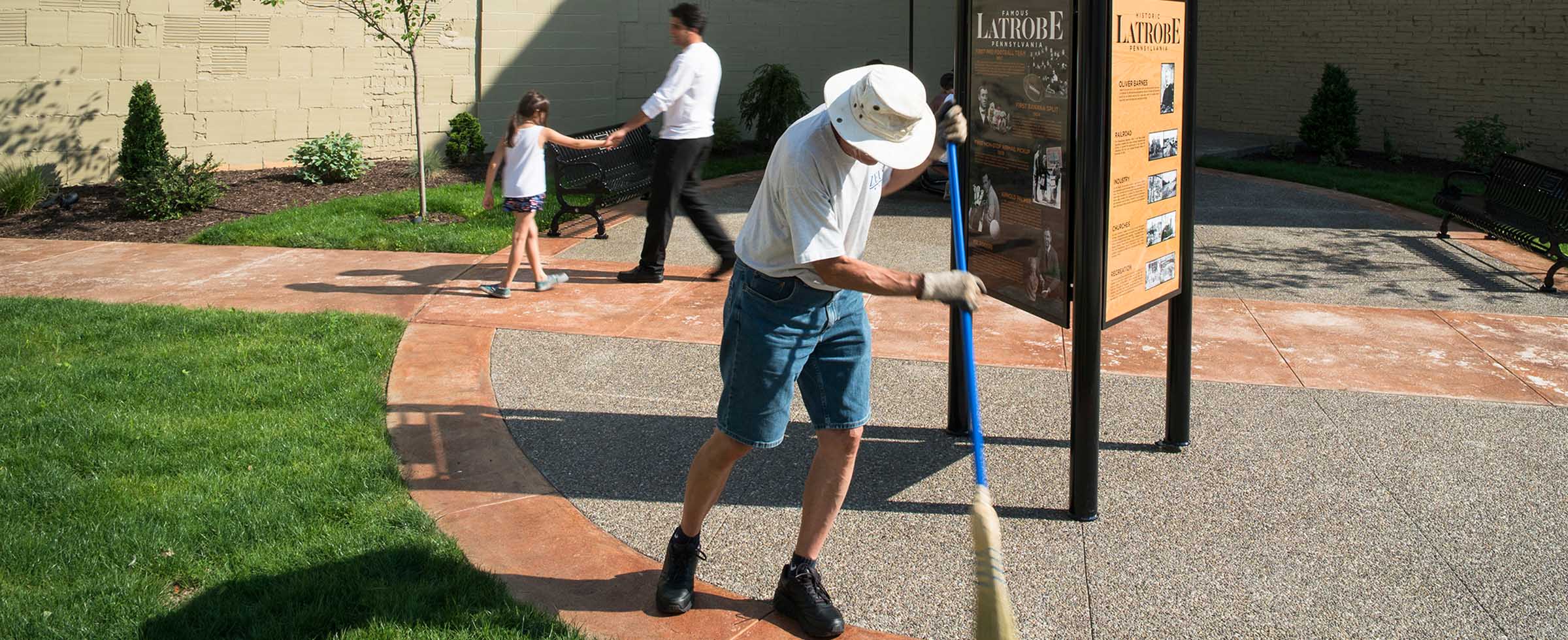
Fighting blight in Mr. Rogers' neighborhood
The Community Foundation of Westmoreland County’s Revitalizing Westmoreland initiative has helped spur community development through moderate-scale, innovative projects.